Journal · Central India · India
Six tiger reserves in central India: how to join them into one trip
Central India holds the forests most people picture when they think of tigers. This route links six reserves by road, from Satpura in the west to Tadoba in the south, with a flight at each end. It is a long trip with one purpose, and the parks are different enough that it never repeats itself.

Why visit so many parks?
Because each is its own kind of forest, and because tigers are never promised. Several parks over many days turn a hope into a reasonable expectation, and the trip is worth making for everything else that lives there too.
- Satpura. Hilly and quiet, and unusual in allowing safaris on foot and by canoe on the Denwa River as well as by jeep.
- Panna. Dry forest and gorges along the Ken River, with boat safaris, and the Khajuraho temples close by.
- Bandhavgarh. Small, with a ruined fort on a hill at its centre, and long known for the number of its tigers.
- Kanha. Wide grass meadows ringed by sal forest, home to a rare swamp deer as well as tigers.
- Pench and Tadoba. Teak forest further south, the first on a river of the same name, the second around a lake in Maharashtra.
In what order should you visit them?
West to east, then south. The route flies into Bhopal for Satpura, takes a train to Khajuraho for Panna, and then runs by road through Bandhavgarh, Kanha and Pench to Nagpur, with Tadoba as a last loop before the flight out. No stretch is covered twice.
The drives between parks are long, most of a day each time. That is the cost of the route, and the reason every park gets at least two nights.
Is there anything besides wildlife?
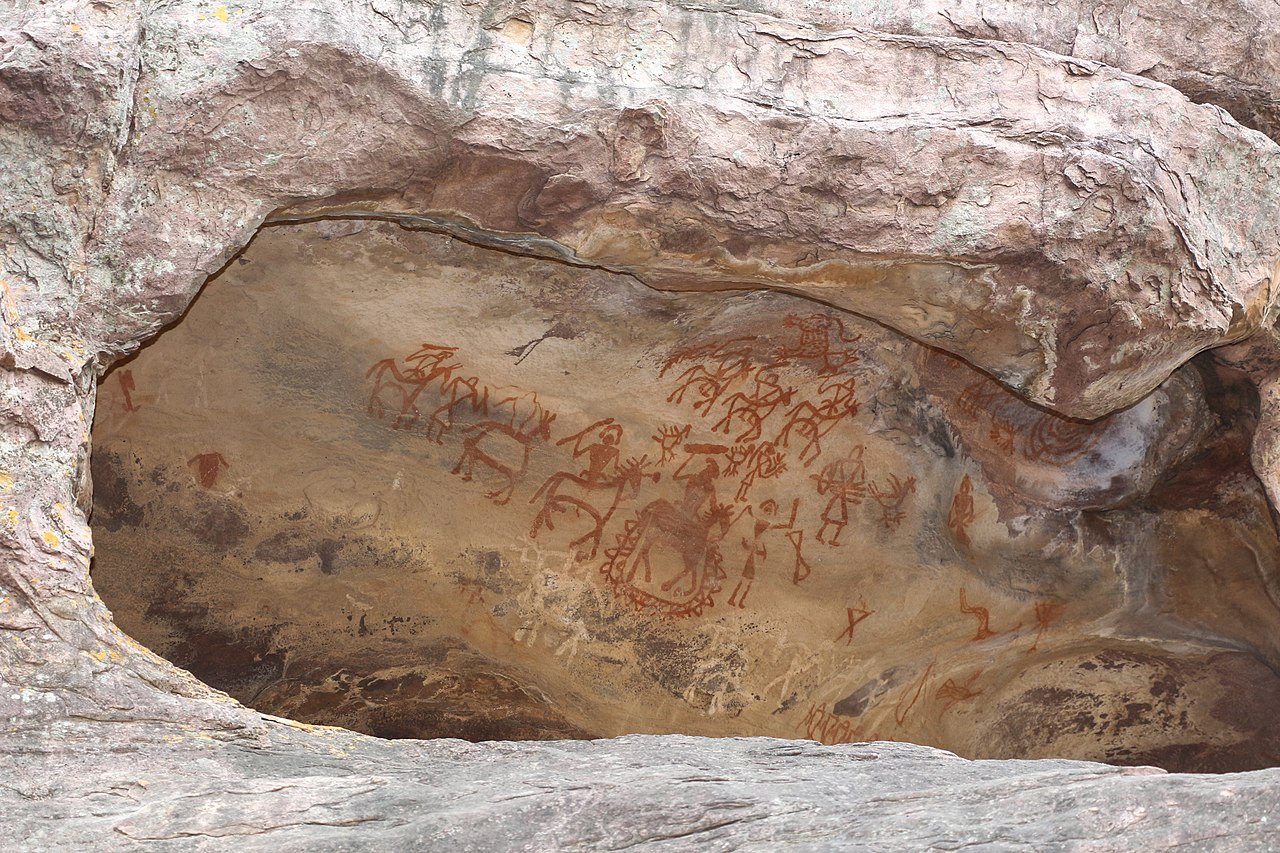
Two things, both on the way. The rock shelters at Bhimbetka, between Satpura and Bhopal, hold paintings made over thousands of years. And the train to Panna arrives at Khajuraho, so the temples there fit into the same day.
What should you know about safaris?
- They are rationed. Each park admits a limited number of vehicles to each zone, so safaris are booked ahead, usually through the lodge.
- They run early and late. Drives go out at dawn and again in the afternoon. The middle of the day is spent at the lodge.
- The parks close in the rains. The core areas shut for the monsoon. Check the opening dates with the lodge before fixing anything.
Quick answers
Which is the best tiger reserve in central India?
There is no single answer. Bandhavgarh and Tadoba are known for sightings, Kanha for its landscape, and Satpura for walking and canoeing in a quieter forest.
How do you travel between the tiger reserves?
Mostly by road, with a car and driver. On this route only the first leg to Panna is by train, and the trip begins and ends with a flight.
Can you go on safari during the monsoon?
Generally not. The core areas of these parks close for the rainy months, so the trip belongs to winter and spring.
Before you book: check the whole trip at once
Eight stays strung along long drives leave plenty of room for a missing night, and the one in Nagpur, a city stop between two forests, is the easiest to overlook.
Trips by Manr.ai puts your hotels and transport on one timeline and checks for gaps, overlaps and missing legs. Type a booking in, drop in the PDF, or paste the confirmation email. With an account and sync switched on, you can also forward confirmations to trips@manr.ai from the address you signed in with. Nothing joins your trip until you have seen it and added it.